For modern creative professionals, the digital portfolio has evolved from a simple repository of images into an immersive, interactive experience. As we analyze the trends shaping the design landscape in 2026, one element stands out above all others: the fundamental shift from passive viewing to active, high-intensity engagement. Clients are no longer content with just scrolling through a grid of thumbnails; they want an experience that feels alive, responsive, and tactically rewarding. They want to be drawn into your world from the very first click.
The rise of browser-native interaction
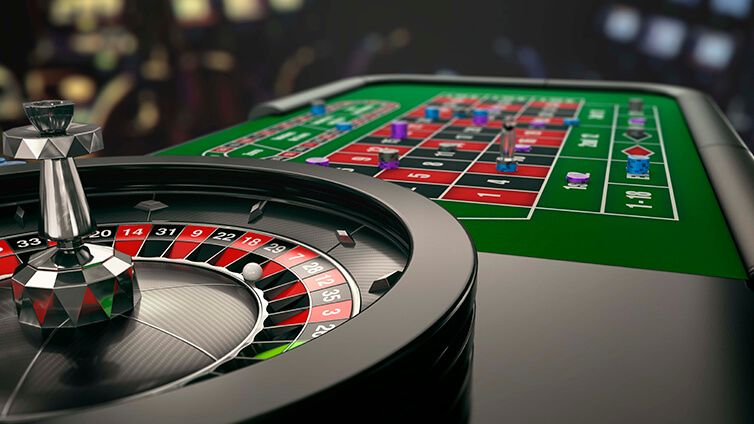
The core challenge for any creative professional today is keeping the visitor engaged in an age of endless scrolling. Research suggests that interactive elements—those that respond to a click, a drag, or a timely input—significantly increase the time spent on a page. This is why many studios are looking to experiment with "Web-native" interactive projects that push the limits of modern browser capabilities, often drawing inspiration from the rapid evolution of interactive casino software.
Creative agencies are increasingly observing the design philosophy found in high-performance digital hubs like Gambly Games website. These platforms showcase how modern web frameworks can handle high-performance animations, fluid UI transitions, and instant-response triggers that feel entirely native to the browser. By observing how these platforms handle data-driven design and engagement-focused responsiveness, photographers and designers can learn valuable lessons about keeping their own portfolio visitors focused, excited, and entertained. It is about understanding that a website is not a book; it is a space where the user should have a sense of agency.
Integrating micro-interactions into visual galleries
Micro-interactions are the subtle animations that occur when a user interacts with your portfolio—the way a project tile expands, or how a navigation element shifts. When done correctly, these animations tell a story of intentionality and care. They prove to your prospective client that you aren't just uploading images; you are building an entire digital ecosystem tailored for them.
Interactive projects, such as the chicken subway game, demonstrate how even simple navigation inputs can be gamified to create a more memorable visitor experience. While your photography portfolio doesn't need to be a casino game, adopting these fluid design principles—such as prioritizing fast load times, intuitive touch-based triggers, and smooth visual transitions—can elevate your professional presentation significantly. The key is to borrow the "snackable" engagement mechanics that have made interactive casino titles so successful at retaining users in a mobile-first world. It’s about making the act of discovery feel like a reward in itself.
Three design principles for an engaging portfolio:
● Prioritize Fluidity: Ensure your image transitions are buttery smooth. Every millisecond of delay acts as a friction point, discouraging the user from deeper exploration. Think of your portfolio as a conversation: the faster the response, the more natural it feels.
● Responsive Touch: Test your site on mobile as much as you test on desktop. Interactive design should feel tactile, not clunky, much like the precision-engineered interfaces of modern digital gaming.
● Intentional Animation: Use animation to guide the eye toward your most important work, borrowing the "call to action" philosophy that drives high-conversion digital experiences.
The psychology of "active consumption"
There is a growing psychological demand for what we call "active consumption." When a user lands on your site, if they are forced to simply stare at a series of images, they are passive. But if they have to click to reveal, hover to zoom, or drag to explore, they become active participants in your story. This is the same principle that powers the success of modern online casino environments. By making the user "work" slightly for the visual payoff, you increase their psychological investment in your work.
We see this in the way successful brands present their digital presence. They no longer use static hero images. Instead, they use responsive video, parallax scrolling, or subtle interactive elements that react to the mouse cursor. These aren't just tricks; they are ways to build a bridge between the creator and the client. When a client feels like they are "playing" with your portfolio, they are spending more time looking at your craft, and ultimately, that leads to a stronger connection and a higher likelihood of conversion.
Why performance is the ultimate luxury
In the digital design world, there is no luxury without performance. You can have the most beautiful photographs or the most innovative concepts, but if the site lags, the magic is gone. This is why studying the backend of fast-paced web platforms is so beneficial for photographers. The developers behind high-end gaming hubs focus obsessively on minimizing "weight"—compressing assets, using efficient code, and prioritizing the delivery of the most critical elements first. If you apply this same discipline to your portfolio, you will be miles ahead of the competition. Fast-loading, snappy, and responsive is the new benchmark for premium professional work.
Turning visitors into fans: finding your own path
Ultimately, the goal of any digital portfolio is to leave a lasting impression that transcends the screen. By studying how innovative web-based platforms handle interactivity, navigation, and responsiveness, creative professionals can transform their portfolios from static galleries into engaging, professional-grade showcases. It is about merging the art of photography with the technical science of modern user experience design, taking the best practices from the digital entertainment sector and applying them to your own creative narrative.
Don't be afraid to experiment with your layout or to add that extra bit of interactive flair to your galleries. Your website is a living thing, not a stone monument. Treat it with the same playfulness and precision that you apply to your best photographic work. When you find the perfect balance between high-end aesthetics and high-performance interactivity, you won't just be displaying images; you'll be hosting an experience that your clients will remember long after they close the browser tab. The future of creative showcasing is interactive, it is fast, and it is entirely in your hands.